Retro Gaming
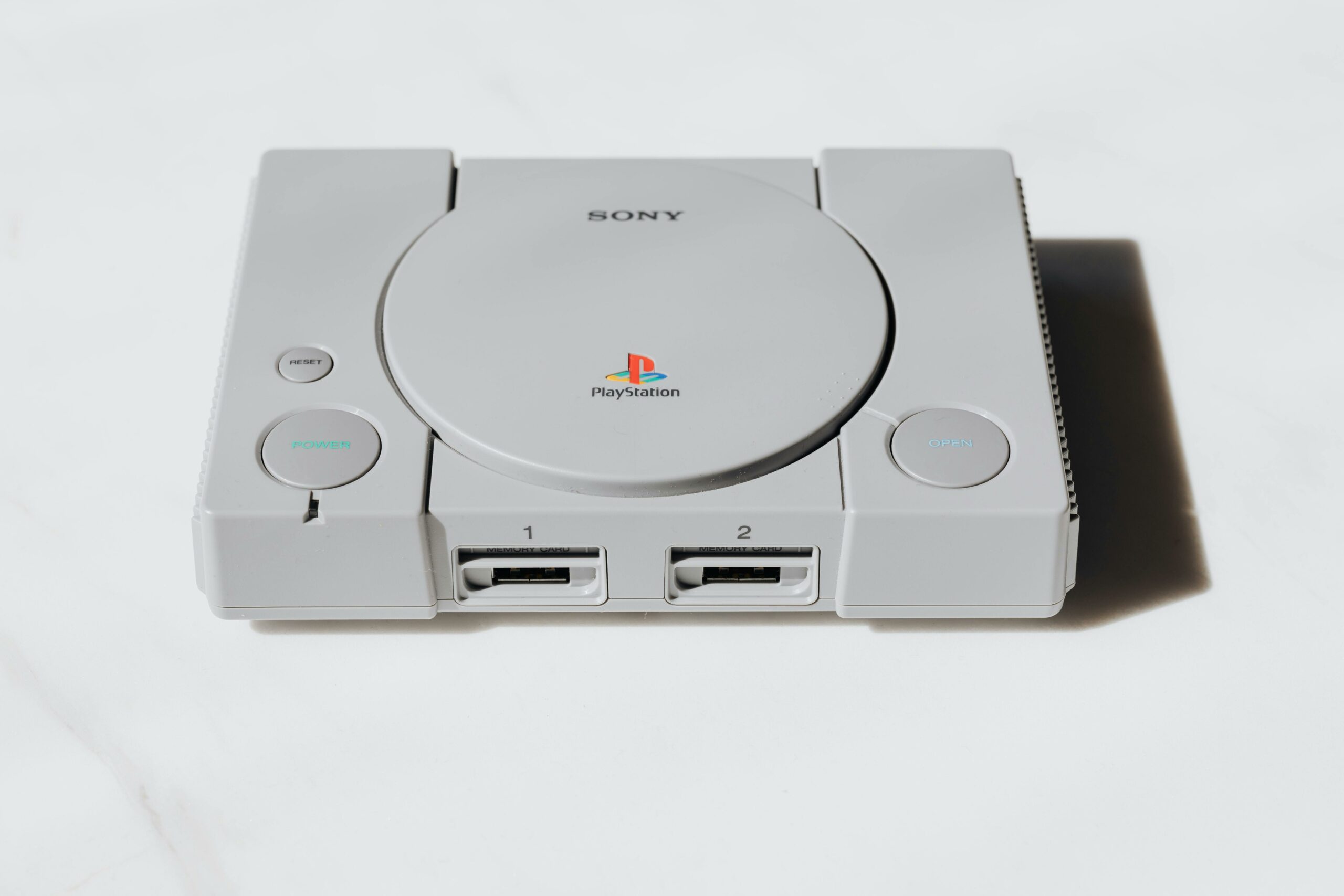
Retro gaming—the art of playing older video games—is experiencing an unprecedented surge in popularity. In a world where technology evolves at breakneck speed, why are so many gamers choosing to return to the classics of the '80s and '90s? This article explores the driving forces behind this craze, the platforms supporting it, and the cultural impact of the trend.
Why Does Retro Gaming Hold Such Appeal?
Retro gaming offers a unique experience that stands apart from modern titles. Here are a few reasons why it attracts so many passionate fans:
- Nostalgia: For many, playing retro games evokes childhood memories and harkens back to a simpler time.
- Simplicity: Unlike today's often complex releases, retro games are generally more straightforward and accessible.
- Aesthetics: Pixelated graphics and chiptune music possess an undeniable charm that continues to captivate audiences.
Retro Gaming Platforms
With the rise of retro gaming, several platforms have emerged to meet this growing demand:
Classic Consoles
Original hardware like the NES, Sega Genesis, and Super Nintendo remain highly sought after. Many gamers hunt for these consoles on online marketplaces or in specialized retro shops.
Mini Consoles
Companies like Nintendo and Sega have launched miniature versions of their classic consoles, pre-loaded with iconic games. These micro-consoles are popular for their plug-and-play ease of use and affordable price points.
Emulators
Emulators allow users to play retro games on modern computers. They offer incredible flexibility and a vast library of titles, though their legality is often a subject of debate.
The Cultural Impact of Retro Gaming
Retro gaming is more than just a leisure activity; it carries significant cultural weight:
- Heritage preservation: Video games are a recognized art form, and retro gaming helps preserve this digital culture for future generations.
- Influence on modern games: Many contemporary developers draw inspiration from retro titles, seamlessly blending classic gameplay elements into modern frameworks.
- Online communities: Dedicated forums and social media networks allow retro enthusiasts to share their experiences and connect with like-minded fans across the globe.
Retro Gaming by the Numbers
The retro gaming market is booming. According to a 2022 study, the global retro gaming market is projected to reach $4.5 billion by 2025. This rapid growth is fueled by:
- The soaring popularity of mini consoles.
- Increased sales of classic games on modern digital storefronts.
- The development of new technologies that make it easier to play older games on contemporary devices.
Examples and Case Studies
Several prime examples illustrate the sheer impact of retro gaming:
- Nintendo Classic Mini: Launched in 2016, this system was an instant commercial smash, selling over 2.3 million units within just a few months.
- Sega Genesis Mini: Released in 2019, it earned widespread critical acclaim for its authentic recreation of the original experience and its stellar game library.
- Retro gaming events: Conventions like the Retro Gaming Expo draw thousands of attendees every year, a testament to the enduring passion for this culture.
Ultimately, retro gaming is far more than a passing fad. For countless players, it represents a return to their roots, a celebration of video game history, and a lasting influence on the modern gaming industry. Whether you're a seasoned gaming veteran or a curious newcomer, retro gaming offers a rich, unforgettable experience.